Omaha’s ‘No Cruising’ signs:
A rarely enforced relic of a teenage pastime
For teenagers of the 1980s, Omaha offered little to do on warm summer nights. Too old to hang with their parents and too young for the bars, scores of teens hopped in their cars and headed for Dodge Street to cruise the main stretch from 69th to 90th Streets. Each crew had a “home base” along the arterial road. Dawn Slama Seefus’ hung out in front of Jiffy Lube. Friends excitedly called out her name as she pulled up in her baby blue Chevy Malibu Classic, Slama Seefus recalls. “Dodge Street was like a recurring party that you could show up at and feel like you never left,” Slama Seefus said. In 1992, the party came to an abrupt end.
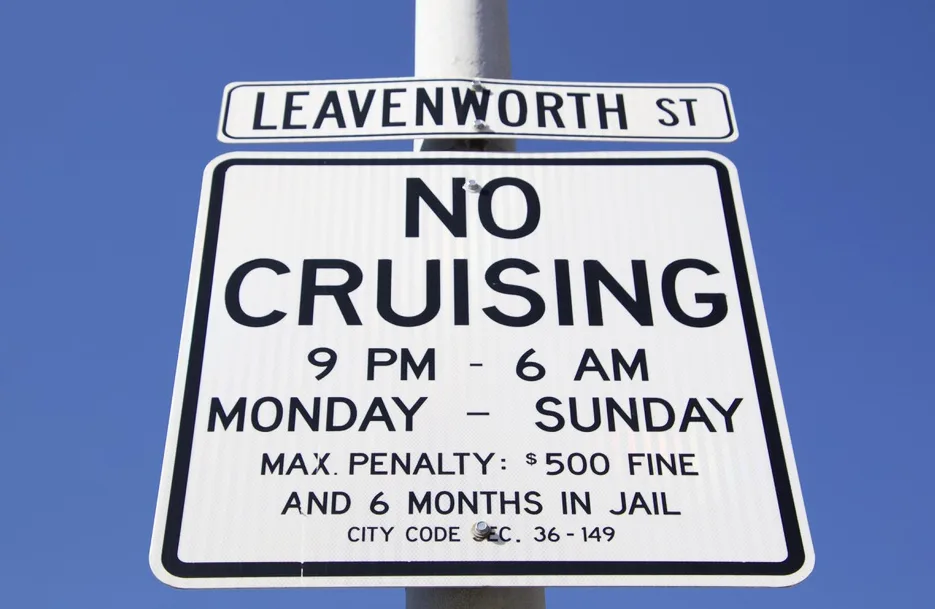
Citing an uptick in car crashes, traffic jams and teenage tomfoolery, the Omaha City Council voted to ban cruising on Dodge. Local leaders across the country had taken similar steps to clamp down on the pastime in the previous decade. The city mounted “No Cruising” signs along a busy 2.3-mile section of the road. Nighttime drivers caught passing by a Dodge Street traffic control point three times within a two-hour period risked losing driving privileges for a month. The law appeared to work as Dodge’s cruising scene quickly shriveled. City officials later extended the cruising ban to several spots around midtown and downtown as part of a push to stifle seedier illegal activity. The “no cruising” ordinance remains on the books today, though it’s hardly ever enforced. Omaha police haven’t issued a single citation for cruising in more than a decade.
“I can’t necessarily say it’s not an issue. It’s just not as prevalent … as it used to be when this (law) was first enacted,” said OPD spokesman Neal Bonacci. Only a few black-lettered “No Cruising” signs still hang in Omaha as a reminder of the bygone era. And their numbers are dwindling. When the remaining signs are eventually removed due to age, the city doesn’t plan to replace them.